
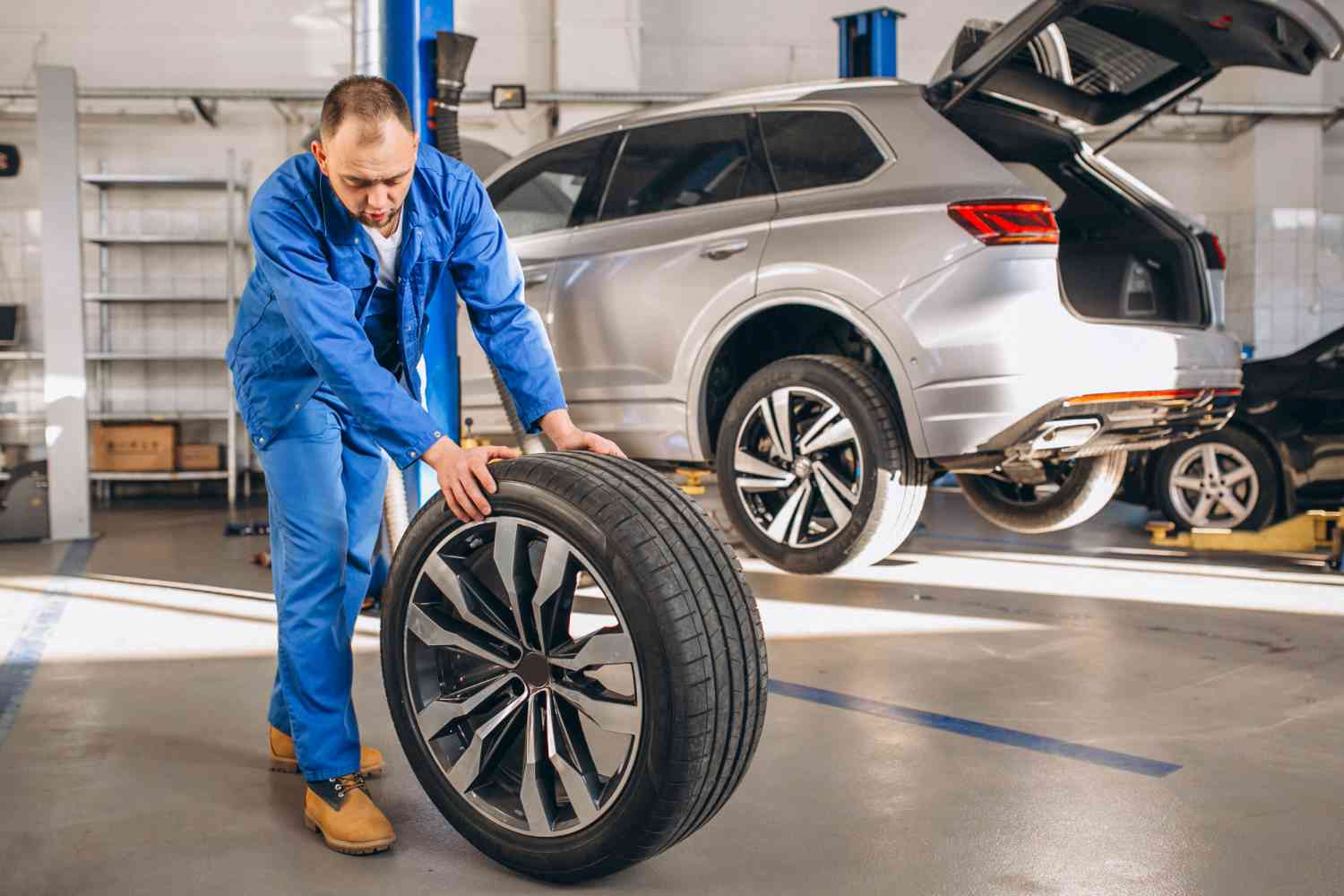
If you’ve ever scheduled service for your vehicle and heard the terms wheel alignment and tire balance, you’re not alone if they sounded like the same thing. They both involve your tires and how smoothly your car drives, but they fix different problems. Understanding the difference can help you protect your investment, stay safer on American roads, and avoid wasting money on work you don’t actually need.
1. Wheel alignment
Wheel alignment keeps your car tracking straight by adjusting your suspension so your tires meet the road at the correct angles. Over time, hitting potholes, railroad tracks, or curbs can nudge things out of place. When alignment is off, your steering wheel may sit crooked, the car may pull to one side on a straight highway, or your tires may wear down unevenly. Getting an alignment isn’t about making the car look pretty; it’s about helping your vehicle respond the way it should when you turn, brake, or cruise down I-95 or Route 66.
2. Tire balance
Tire balance smooths out your ride by making sure weight is evenly distributed around each tire and wheel. Even brand-new tires on a new sedan or pickup can have small heavy or light spots. A technician uses a machine to spin the wheel and adds tiny weights where needed. When balance is off, you’ll often feel shaking in the steering wheel or seat at certain speeds on the freeway. Proper balance doesn’t just feel better; it reduces vibration that can slowly wear out suspension parts and make everyday driving more tiring.
3. Spotting alignment
Spotting alignment issues early saves tires and stress, especially if you drive long American commutes. If you notice the vehicle drifting on a straight stretch of interstate, or your front tires wearing more on the inside or outside edges, that’s a common sign. Another clue is needing to hold the wheel slightly turned just to go straight. These issues don’t fix themselves, and the longer you wait, the faster your tires wear out. Catching problems early usually means a simpler adjustment and fewer surprises during state inspections or long road trips.
Knowing when tire balancing is the fix helps you avoid guessing and hoping. If your car feels fine around town but starts to vibrate around 55–70 mph, balance is a likely suspect. The shake might fade at higher speeds or feel worse on certain stretches of highway. Sometimes you’ll notice a strange scalloped pattern on the tread. Rotating tires without rebalancing can move the problem from the back of the car to the steering wheel.
6. Auto repair services
Choosing service wisely means asking clear questions instead of nodding along. When you schedule work, it’s reasonable to ask the shop whether they recommend alignment, balancing, or both, and what symptoms led them there. A trustworthy American repair shop will gladly explain what they found, show you tire wear patterns, or point out steering angles on a printout. You don’t need technical training; you just need honest information. Over time, you’ll get more comfortable matching what you feel behind the wheel with the service being suggested.
Wheel alignment and tire balance are quiet helpers in the background of every American drive, from school runs to cross-country trips. You feel them most when something isn’t right: the pull on the wheel, the shake in the seat, the tire that wears out too fast. Understanding the difference won’t turn you into a technician, but it can help you ask better questions, make calmer choices, and keep your time on the road steadier and more comfortable—right in line with why this topic matters in the first place.