
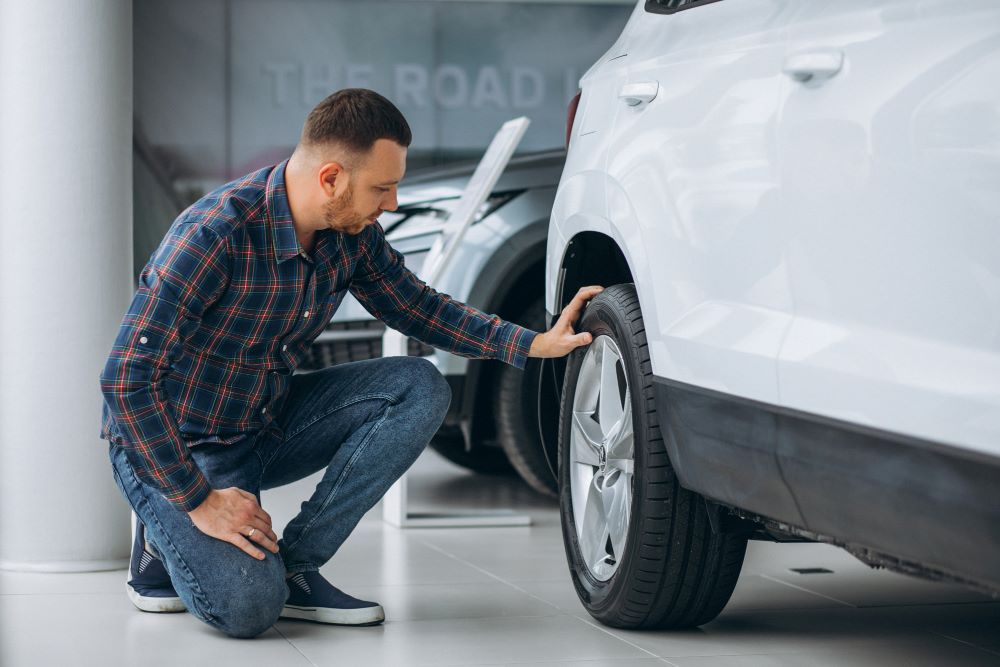
Most drivers in the U.S. know they should change their oil, but tire rotation often slips to the bottom of the to‑do list. Yet how your car feels on the road like whether it tracks straight on the highway, grips in the rain, or shudders over a pothole—has a lot to do with how evenly those four pieces of rubber are wearing. Rotating your tires is one of the simplest ways to keep your vehicle feeling safe, predictable, and comfortable on American roads.
1. Tire rotation evens out wear, so your car feels more balanced.
In the U.S., most vehicles are front‑wheel drive, which means the front tires handle more steering and braking. They wear faster and can get “cupped” or uneven. By moving the tires front to back on a regular schedule, you spread that workload. The result is a car that doesn’t pull to one side as easily and feels more stable when you change lanes on the interstate.
2. Rotating helps your suspension and steering work together.
When one tire is worn more than the others, your suspension and steering parts have to fight harder to keep the car in line. On rough American city streets, that uneven wear can make every bump and manhole cover feel worse. Regular rotation keeps the tire surfaces more consistent, so your shocks, struts, and steering rack don’t have to overcompensate as much, giving you a smoother, calmer ride.
3. Insurance and tire rotation can both protect you from surprises.
Many U.S. auto insurance companies look closely at what caused a crash when deciding fault or paying claims. If worn or neglected tires contribute to a slide into another vehicle, that can create headaches during the claim process. While rotation itself won’t change your premium overnight, keeping your tires in good shape supports safer handling in rain or snow, which may help you avoid accidents that raise insurance costs in the long run.
4. Good rotation habits make emergency maneuvers more predictable.
Picture driving on a busy American freeway when traffic suddenly slows. If your rear tires are much more worn than the fronts, the back of the car can feel loose or twitchy when you brake hard or swerve. By rotating tires on schedule, you help all four corners of the vehicle respond more consistently under stress, so quick steering inputs feel controlled instead of surprising.
5. Rotating supports better traction in U.S. weather conditions.
From wet coastal roads to icy Midwest mornings, uneven tire wear shows up most when the weather turns. Tires with uneven tread may hydroplane sooner or lose grip in light snow. Following the rotation pattern recommended in your owner’s manual gives each tire a chance to “rest” in a less demanding position, helping maintain more even tread depth across the set when the seasons change.
Tire rotation is really about respect for the small details that shape every drive. Taking time for this simple service helps your car respond more thoughtfully to your hands on the wheel, your foot on the pedal, and the constantly changing U.S. roads beneath you.