
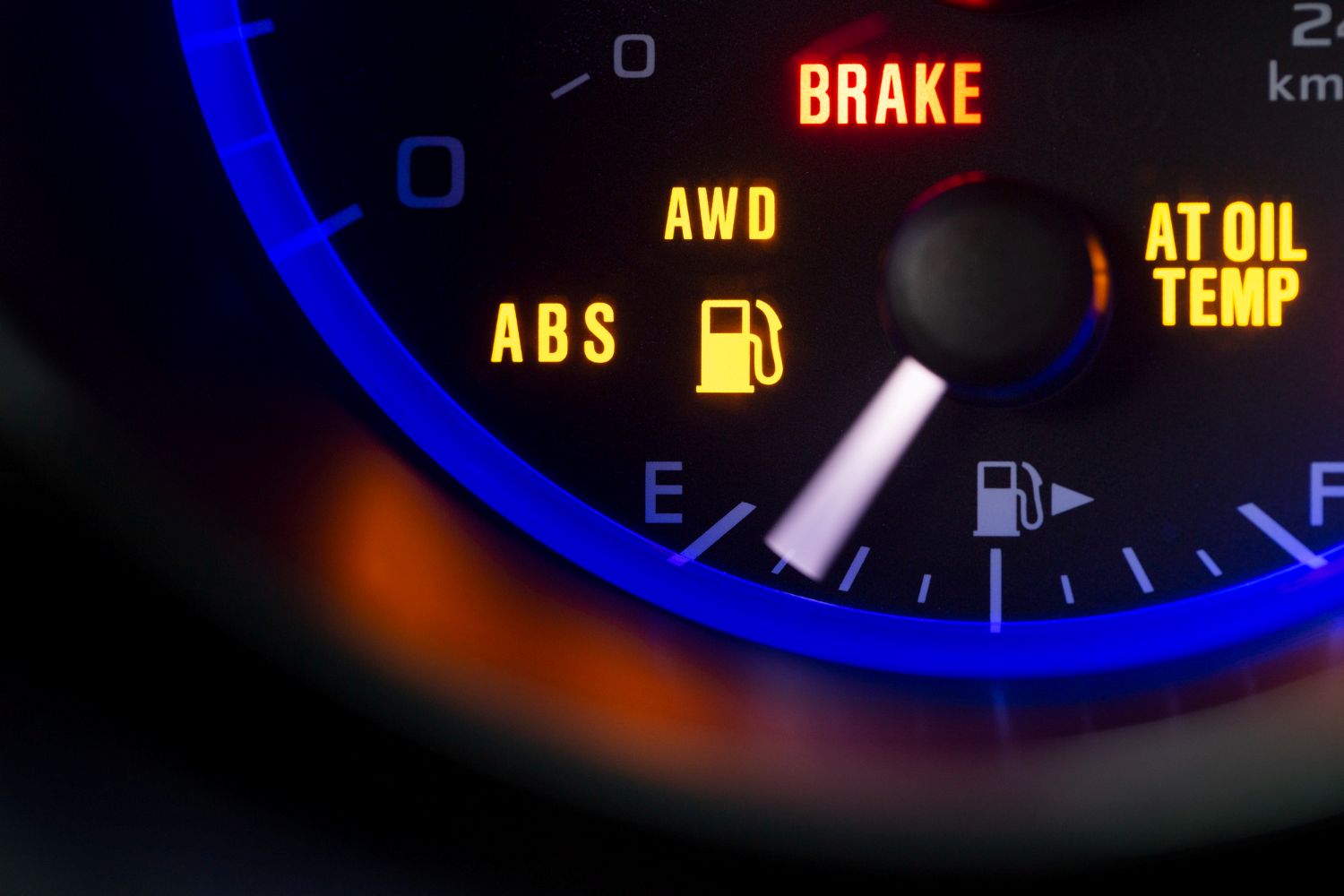
You are heading home, the music is on, and suddenly a red brake light glows on your dashboard. Your mind jumps to the worst, but that small light is really just your car’s way of speaking up. It is asking for a little attention so you can stay safe and avoid bigger problems later.
1. Start with the simplest checks
First, take a breath and look for the obvious. Is your parking brake slightly raised or not fully released? Even a small click up can trigger the warning light. Make sure your car is on level ground, fully release the parking brake, then see if the light goes off. This quick step can save you from worry. If the light stays on, it is your sign to look a bit deeper and not ignore what your car is trying to say.
2. Low brake fluid means something
Many drivers are surprised to learn how important brake fluid is. When that warning light shows, your fluid level might be low. Sometimes this happens as brake pads slowly wear down over time. You might not feel anything different yet, but the light is an early flag. You can peek at the brake fluid reservoir under the hood and check if it is below the minimum line. If it is, do not just top it off and forget it. Low fluid is a message to get the system looked at soon.
3. Strange sounds signal attention
Your car will often talk to you with sounds before anything else. If the brake warning light is on and you hear squealing or grinding when you stop, take it seriously. Squealing can mean the pads are getting thin. Grinding can mean they are already worn down and rubbing metal. These noises are not something to wait on. The sooner you respond the more you protect your rotors and your wallet from bigger repairs.
4. Feel the way pedals respond
The way your brake pedal feels can tell you a lot. If it feels soft or spongy under your foot, air or moisture might be in the lines. If it feels very hard and you need extra pressure to stop, that is also a concern. Vibrations in the pedal or steering wheel when braking can point to issues with rotors. Trust what your feet are telling you. Any change from normal is a good reason to have an experienced technician take a look.
5. When to call for help
Modern cars use sensors to track what is happening in your brake system. If the light flickers on and off or stays solid no matter what you do, do not ignore it. Find a trusted local shop, describe what you see, hear, and feel, and ask for guidance. A calm conversation with a professional can bring clarity and peace of mind.
Your brake light is not there to scare you. It is a friendly early signal that gives you time to act. Listening to it, and not brushing it aside, keeps your car steady and your daily drives more relaxed.