
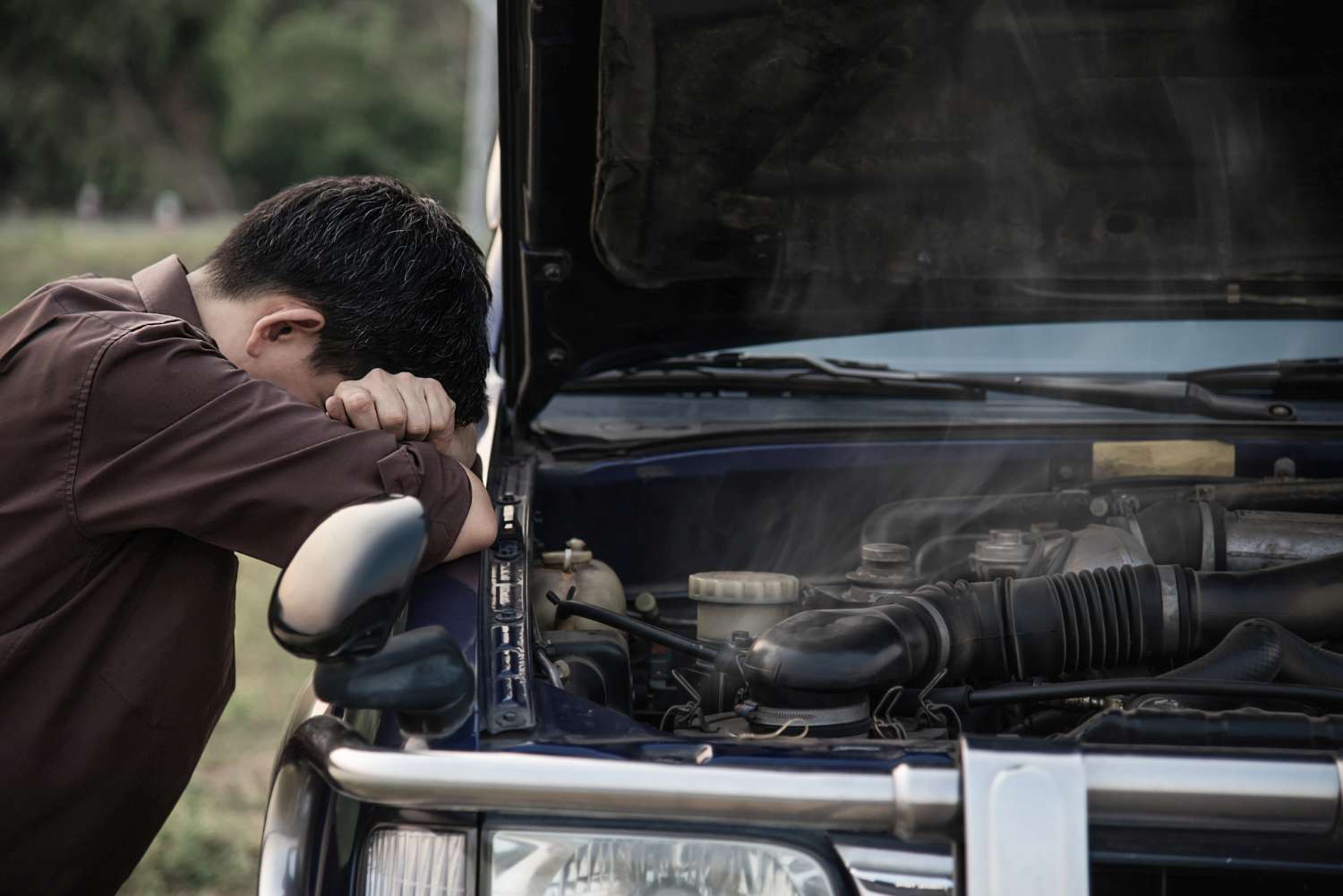
Seeing the temperature gauge climb while you are driving on a U.S. highway can be stressful. Maybe steam slips from under the hood or a warning light flickers on during rush hour. At that moment you are not thinking about policy numbers or paperwork. You just want to get yourself, your passengers, and your vehicle safely off the road without turning a small issue into a large repair. That is exactly when a calm plan and clear steps matter most.
1. Recognize early warning signs before you panic
When you spot the temperature needle edging into the red, notice steam near the hood, or smell a sweet syrup scent from coolant, treat it as an early alert. On an American road trip across Arizona or stuck in Los Angeles traffic, these same signs mean your engine is working too hard. Turn off the air conditioning, gently ease off the gas, and watch the gauge. Catching overheating at this stage can give you time to pull over safely instead of waiting until your vehicle shuts down in the middle of a busy lane.
2. Pull over safely and let the engine cool
Safety comes first on any U.S. road whether it is a city street or an interstate. Signal, move to the right shoulder or a nearby parking lot, and put the vehicle in park. Turn off the engine and switch on your hazard lights. Stay inside with seat belts on if you are close to traffic. It can take 30 minutes or more for an engine to cool. It might feel tempting to pop the hood right away but very hot parts and pressure can cause serious injury. Patience here protects you more than any quick fix.
3. Check coolant only after things have cooled down
Once the hood is cool to the touch, you can open it carefully. Look at the coolant reservoir, which is usually a plastic container with “low” and “full” marks. In many American cars you can see the level without removing the cap. If it is very low and you have premixed coolant in your trunk from a local auto parts store, you may top it off while the engine stays off. Never open a hot radiator cap and if you are unsure about the right fluid or mix, skip the guesswork and call for roadside help instead.
4. Avoid driving far with an overheating history
Even if the gauge drops back to normal after cooling, treat the event as a warning. Around town it may be tempting to “just get home” from a grocery store or Little League field. Still, repeated overheating can quietly harm engine parts. Short gentle drives to a trusted repair shop or a partner body shop listed on your insurer’s app are usually smarter than long commutes. Keeping speeds moderate and avoiding steep hills can reduce stress on the engine until a technician can inspect it.
5. Call for professional help when signs persist
If the temperature keeps rising soon after you start again, or you see steady steam or leak spots under the car, it is time to reach out for help. Many U.S. insurance policies include towing or roadside assistance, and some companies help connect you with vetted repair centers that understand both the mechanical work and the claim process. A calm call from a safe location can set up a tow, a ride home, and a clear repair plan so you are not facing the situation alone.
Moments of overheating rarely come at a convenient time. Still, how you respond in the first few minutes can shape what happens next. By noticing early signs, pulling over safely, checking coolant only after cooling, limiting driving, and asking for help when needed, you give your engine the best chance to stay healthy. More than that, you give yourself room to breathe, think clearly, and keep everyday life moving with fewer surprises.